
Have you ever watched your baby smile, twitch, or softly move during sleep and wondered, are they dreaming? It’s a beautiful and mysterious thought.
Many parents are curious about when babies start dreaming and what could be happening inside their tiny minds.
The answer may surprise you. In short, they reveal your emotions and ambitions in ways words sometimes can’t.
I have explored their deeper meanings and different types, which you can discover further below.
Meaning Behind the Dreaming
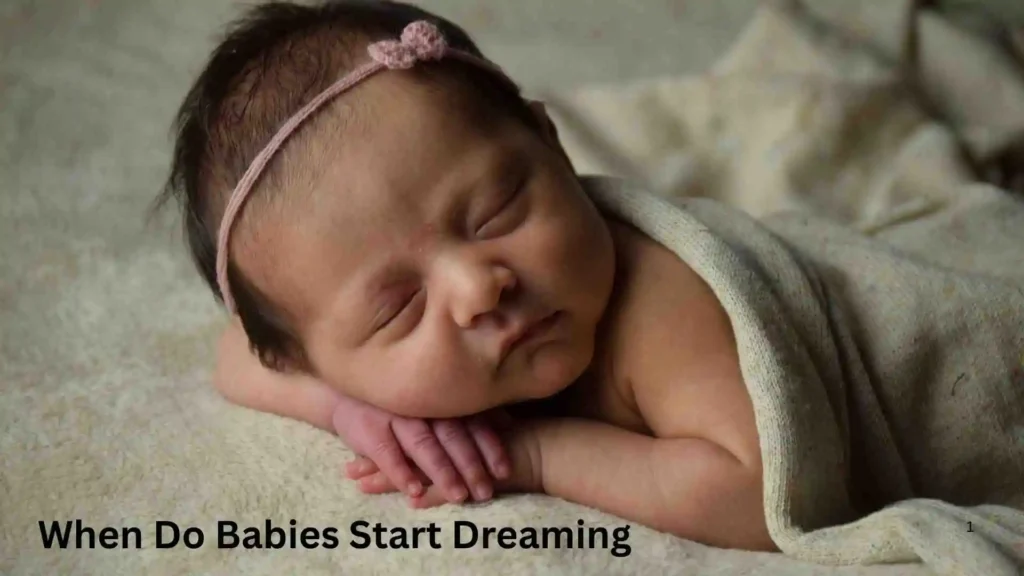
Dreaming happens during a stage of sleep called REM (Rapid Eye Movement). This is when the brain is highly active, even though the body is resting. In adults and older children, dreams often reflect thoughts, emotions, memories, and imagination.
Babies spend much more time in REM sleep than adults — nearly 50% of their sleep cycle. This suggests their brains are very active while sleeping.
However, newborns likely do not dream in the same way adults do because dreaming requires developed memory, imagination, and self-awareness.
In early life, REM sleep helps:
- Build brain connections
- Support learning and development
- Process new sensory experiences
As babies grow and their brains mature, true dream imagery becomes more likely. Around toddler age, children begin forming mental pictures and simple story-like dreams.
Dream symbolism, which adults experience, develops much later when language, emotions, and imagination expand.
Understanding Dreams and Dream Symbolism
What Do Dreams Mean
Dreams are experiences created by the brain while we sleep. They combine memories, emotions, and imagination into images or stories.
Researchers believe dreams help the brain organize thoughts, process emotions, and store important memories.
Why Do Dreams Appear
Dreams appear mainly during REM sleep when brain activity becomes stronger. During this stage, the brain processes information from the day.
This process helps people learn from experiences and manage emotions.
How Dream Symbolism Works
Dream symbolism means that images or objects in dreams represent deeper ideas or feelings.
For example:
- Water may represent emotions
- Flying may represent freedom or ambition
- Falling may symbolize fear or loss of control
The subconscious mind uses these symbols to express thoughts that may be difficult to explain directly.
Why Do Dreams Feel So Real
Dreams can feel very real because emotional parts of the brain remain active during sleep. Logical thinking becomes less active, which allows unusual events to seem believable.
This is why dreams can feel intense or vivid.
Why Do Some Dreams Repeat
Recurring dreams usually happen when the mind is trying to process an unresolved situation or strong emotion.
Once the brain understands the feeling or resolves the issue, the recurring dream may stop.
Why Do Children and Adults Dream Differently
Children’s brains are still developing, which means their dreams may be simpler and based on basic experiences.
Adults usually have more complex dreams because they have more memories, emotions, and life experiences.
Can Dreams Help Us Understand Emotions
Yes. Dreams often reflect hidden thoughts or emotions. Paying attention to dream patterns can sometimes help people understand their feelings more clearly.
Types of Dreams
As children grow, their dreams change and become more complex. Here are common types of dreams as development progresses:
💤 Sensory Dreams
In infancy, dreams are likely simple sensations — light, sound, touch, or movement — rather than full stories.
🌈 Imaginative Dreams
Toddlers begin having simple visual dreams. These may include familiar faces, toys, or daily activities.
😨 Nightmares
Around age 2–3, children may experience nightmares. These are often linked to fears or strong emotions.
🌙 Night Terrors
Different from nightmares, night terrors happen during deep sleep. A child may cry or scream but not fully wake up.
🎭 Story-Based Dreams
By preschool age, children begin having more structured dreams with small storylines.
Do Newborns Dream?
Newborns enter REM sleep quickly and often. While we cannot see their dreams, experts believe their sleep is focused on brain development rather than detailed dreaming.
Their brain activity supports growth rather than imagination.
At What Age Do Babies Start Having Dreams?
There is no exact age, but many researchers believe real visual dreaming begins in toddlerhood. As memory and imagination develop, dreams become more detailed.
Before that stage, sleep likely supports learning rather than storytelling.
Why Do Babies Smile in Their Sleep?
Sleep smiles are common in newborns. These are usually reflexes, not reactions to funny dreams.
As babies grow, smiles during sleep may reflect pleasant dream activity, but reflex movements are most common in early months.
Can Babies Have Nightmares?
Nightmares are rare in newborns. They usually begin after age 2, when imagination becomes stronger.
If a baby wakes crying, it is more likely due to hunger, discomfort, or normal sleep transitions.
How Can You Tell If a Baby Is Dreaming?
You may notice:
- Rapid eye movement under eyelids
- Small facial expressions
- Gentle body twitches
These signs show REM sleep, which is linked to dreaming.
What Do Babies Dream About When They Cry
Babies sometimes cry during sleep because their brains are very active while they rest. During certain sleep stages, especially REM sleep, babies may react to sensations or memories from their day. The crying does not always mean they are having a bad dream; it can simply be a natural sleep reaction as their brain develops.
Since babies cannot communicate their dreams, experts believe their dreams are simple and based on feelings, sounds, and familiar experiences.
When Do Babies Start Dreaming About Their Parents
Babies recognize their parents very early, especially through voice and touch. As their memory develops, they may begin to dream about familiar faces, including parents. These dreams are likely simple emotional experiences rather than detailed stories.
Their dreams may reflect comfort, security, and recognition of familiar voices or faces.
When Do Babies Start Dreaming During the Day
Babies sleep frequently during the day, and their brains can enter REM sleep even during short naps. This means dreaming may happen during daytime sleep just as it does at night.
Because babies spend a large portion of their sleep in REM stages, they may dream more often than adults.
When Do Babies Start Having Nightmares
Nightmares usually begin when a child’s imagination becomes more developed. This often happens around the age of two to three years.
Before that age, babies may cry or move during sleep, but these reactions are usually related to normal brain activity rather than true nightmares.
What Do Babies Dream About at 1 Year
At around one year old, babies have more developed senses and memories. Their dreams may include familiar experiences such as playing, hearing voices, or seeing faces they recognize.
These dreams are believed to be simple and connected to everyday experiences rather than complex stories.
When Do Babies Start Dreaming in the Womb
Scientists believe that babies may begin experiencing REM sleep before birth, especially during the last months of pregnancy. REM sleep is strongly linked with dreaming in adults.
Although we cannot know exactly what unborn babies dream about, their brains are already active and developing during this stage.
What Do Babies Dream About When They Smile
Sometimes babies smile in their sleep, which may happen during REM sleep. This does not necessarily mean they are dreaming of something specific, but it can be a natural response to brain activity.
Many parents interpret these smiles as pleasant dreams, though scientists believe they are part of normal neurological development.
Do Babies Dream at 6 Months

Yes, babies at six months old experience REM sleep, which suggests that dreaming may occur. Their dreams are likely simple and based on sensations, sounds, and daily experiences.
As their brain continues developing, the complexity of their dreams may gradually increase.
FAQs About When Babies Start Dreaming
1. When do babies start dreaming like adults?
Most experts believe structured dreams begin in toddlerhood, when imagination and memory are more developed.
2. Do babies dream in the womb?
Fetuses experience REM sleep, but there is no clear evidence they have detailed dreams.
3. Are baby sleep smiles caused by dreams?
In newborns, smiles are usually reflexes. Later in infancy, they may be linked to pleasant brain activity.
4. Do babies have bad dreams?
Nightmares typically start after age 2, when fear and imagination develop.
5. Why do babies spend so much time in REM sleep?
REM sleep supports brain growth, learning, and neural development during early life.
Conclusion
So, when do babies start dreaming? While new-borns experience active sleep, true story-like dreams likely begin as imagination and memory develop in toddlerhood.
Sleep plays a powerful role in shaping your baby’s growing brain.
Every twitch, smile, and movement during sleep reflects important development happening beneath the surface.
Understanding baby dreams helps you appreciate the quiet magic unfolding each night.
Also Check These Posts
- Dreaming of Teeth Falling Out Anxiety Fear or a Spiritual Wake-Up Call for 2026
- Dreaming of a Freaking Fairy Tale | The Hidden Spiritual Message Behind Magic for 2026

Author Bio
I’m Lily Anderson, a passionate writer at DreamsSign where I explore the hidden meanings behind dreams, symbols, and signs from the universe. Writing has always been my way of turning curiosity into clarity and confusion into understanding. I love blending intuition with research to create content that feels personal, insightful, and easy to relate to. My goal is to help readers trust their inner voice and find meaning in everyday experiences. When I’m not writing, I enjoy journaling, quiet reflection, and studying symbolism from different cultures.
Books by Lily Anderson:
• Whispers of Dreams: Understanding the Language of the Soul
• Signs from the Universe: A Guide to Hidden Meanings